Best Cover Crops for Garlic: Improve Soil Health and Boost Yields
If you’re looking to grow bigger, healthier garlic, it all starts with your soil. One of the easiest and most effective ways to improve soil health before planting garlic is by using cover crops. With the right approach, cover cropping can help you build fertility, reduce weeds, and set your garlic up for success.
What Are Cover Crops?
Cover crops are plants grown specifically to improve and protect your soil rather than to harvest. Gardeners and farmers use them during the off-season to naturally rebuild soil health.
The right cover crops for garlic can help:
- Add organic matter and improve soil structure
- Support beneficial soil microbes and fungi
- Fix or retain nutrients for garlic growth
- Suppress weeds and reduce pest pressure
- Prevent erosion and soil compaction
- Improve water retention and drainage
Using cover crops before planting garlic is one of the best long-term strategies for increasing yields and maintaining healthy soil.
Best Cover Crops for Garlic
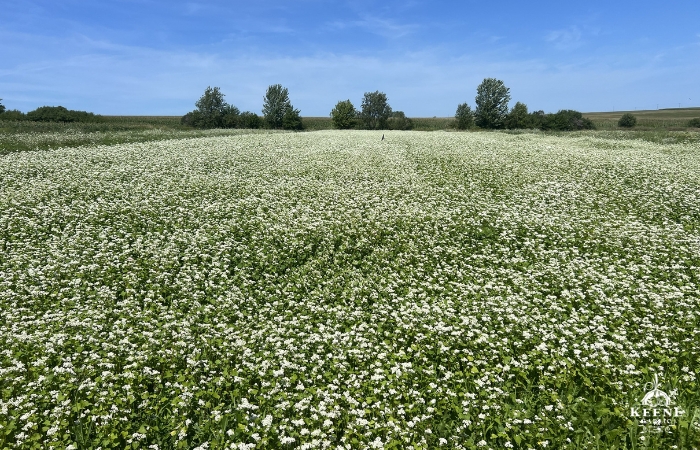
Choosing the best cover crop depends on your goals. At Keene Garlic, we regularly use mustard seed, buckwheat, and clover because they’re reliable and easy to manage.
Best for Nitrogen and Soil Building
If your goal is to improve fertility, legumes like clover or field peas are ideal. These plants naturally fix nitrogen in the soil, making it available for your garlic crop.
They also:
- Increase organic matter
- Improve soil structure
- Support pollinators
Best for Weed Suppression
To control weeds and protect bare soil, use fast-growing cover crops like:
- Winter rye
- Buckwheat
- Mustard seed (also a biofumigant which can help reduce soil-borne pests and diseases!)
These varieties germinate quickly, outcompete weeds, and create a thick layer of organic material when terminated.
💡Pro Tip: While cover crop blends are popular, they can be harder to manage in small gardens. For most home garlic growers, planting a single crop that matches your main goal is the simplest and most effective option.
When to Plant Cover Crops for Garlic
Timing is critical when using cover crops before garlic planting.
In colder climates like Wisconsin, the best time to plant cover crops is by early August at the latest. This gives them enough time to establish before you prepare the bed for fall garlic planting.
Make sure to terminate your cover crop 2–3 weeks before planting garlic. This allows time for the plant material to break down and feed the soil.
How to Plant Cover Crops (Step-by-Step)
1. Prepare Your Garden Bed
After harvesting summer crops, remove debris and leftover plants. Lightly till or rake the soil to create a smooth seedbed.
This is also a great time to add an organic garlic fertilizer to strengthen your soil before planting.
2. Sow the Cover Crop Seeds
Broadcast seeds evenly across the soil by hand or with a spreader. Lightly rake to cover them with soil.
If rain isn’t expected, water lightly to encourage germination. Keep the soil moist until seedlings are established.
3. Maintain Growth
Most cover crops require very little maintenance. Once established, they will naturally fill in and begin improving your soil.
4. Terminate Before Planting Garlic
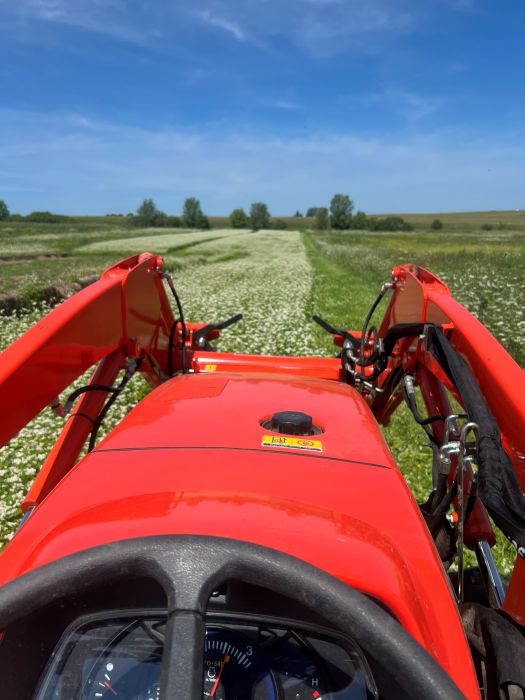
To get the full benefit of your cover crop, terminate it before it goes to seed and at least 2–3 weeks before planting garlic.
Here are a few easy methods:
- Tilling: Mix the crop into the soil to add organic matter
- Mowing: Cut and leave as mulch
- Winter-kill: Crops like oats die naturally after frost
- No-till: Flatten crops like rye to create a weed barrier
Why Cover Crops Matter for Garlic
Healthy soil is the foundation of a good garlic harvest. By using cover crops, you’re not just filling empty space—you’re actively improving soil fertility, structure, and biology.
Over time, this leads to:
- Stronger garlic plants
- Larger bulbs
- Better yields
- Fewer weeds and soil issues
Final Tips for Success
Cover crops don’t have to be complicated. Start simple, focus on your main goal, and stick to a planting schedule that works for your region.
Once your soil is ready, give your garlic the best possible start by using a garlic fertilization soak before planting.
With the right preparation, you’ll see the difference come harvest time.